







Search Results for: deep bed of coffee grounds
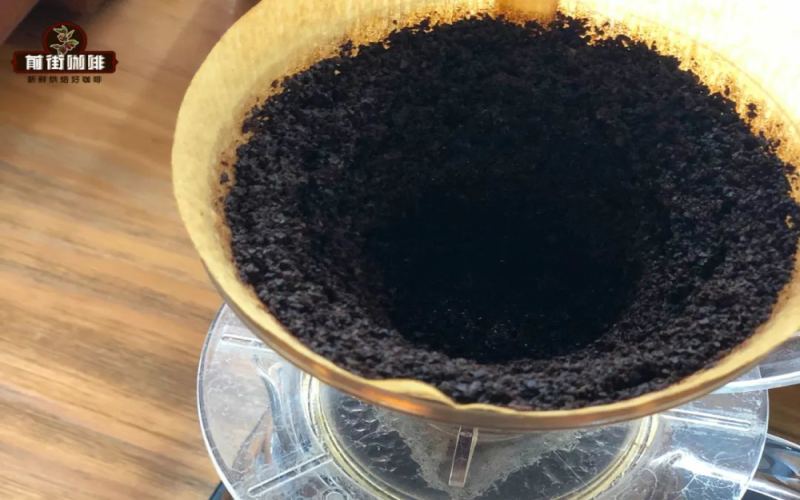
Analyzing the Coffee Bed Shape in Pour-Over Brewing: A Deep Bed Is Not a Sign of Good Taste—Pouring Technique Is the Key
Many friends who are just getting into pour-over coffee often hold an almost worshipful attitude toward the expansion of the coffee bed and the deep pit, believing that producing a deep pit signifies superior skill. Front Street found this phenomenon to be quite common when talking with customers in the shop, so we decided to analyze the conditions for the formation of the deep pit from a fundamental perspective. In fact, the deep pit is mainly related to three factors: the roast level of the coffee beans, the circular pouring pattern, and the dose of grounds, with roast level having the most significant influence. Dark-roasted beans have low density and expand noticeably, making it easy to form a thick wall of grounds and a deep pit, while light-roasted beans are the opposite. In addition, pouring in small circles preserves the wall of grounds around the edge, and a large dose of grounds also provides enough support for the deep pit. But an attractive coffee bed does not equal good-tasting coffee; the real point of observing the coffee bed is to check whether the pouring was even and whether the wall of grounds was damaged. This article will systematically sort out the brewing logic behind the coffee bed for coffee lovers, helping everyone return to the brewing parameters themselves. [more…]

A Complete Analysis of Pour-Over Coffee Bed Shapes: What Deep Crater, Flat Bed, Channeling, and Mud Pit Each Tell You
After pour-over brewing is finished, the coffee bed in the dripper often takes on different shapes—some people can produce a beautiful, even deep pit, while others end up with a flat bed or even a muddy crater. What exactly are these coffee bed shapes telling us? In fact, the appearance of the coffee bed mainly reflects information about the pouring method and the coffee grounds themselves, and has no direct correlation with whether the coffee tastes good. Front Street will start with six common coffee bed states, interpreting one by one the causes and meanings of the deep pit, the offset pit, the flat bed with a grounds wall, the flat bed without a grounds wall, the fractured bed, and the muddy pit, to help you better judge whether your pouring is appropriate in daily brewing and make timely adjustments. [more…]

Does a deep crater in the coffee bed after pour-over really mean the cup tastes better?
Many friends who are just getting into pour-over coffee are always fascinated by the puffy dome during blooming and the "deep pit" that forms in the coffee bed after brewing. It seems that only when these two phenomena appear can a cup be considered a proper pour-over. However, in practice, people often find that the deep pit isn't something you can create just by wanting to. Today, Front Street Coffee is here to talk about how the deep pit actually forms, and whether it can serve as a standard for judging whether coffee is good or bad. [more…]

Analyzing the Causes of Deep Craters in Pour-Over Coffee Beds: Three Key Conditions from Density and Pouring to Uniformity
Many enthusiasts, after finishing a brew, will see a uniform and deep bowl-shaped coffee bed left in the dripper, and wonder how this state is formed. Front Street Coffee also often encounters similar questions in daily brewing. In fact, the final shape of the coffee bed cannot directly determine whether a cup of coffee tastes good, but it does reflect some operational details during the brewing process. This article will explain how to brew a deep-pit coffee bed from three aspects: coffee bean density, pouring method, and pouring uniformity, and will also explain why light-roasted high-density beans often find it difficult to form a deep pit. If you also want to understand the principles behind the coffee bed, as well as brewing suggestions for beans such as Front Street Ethiopia·ALO and Front Street Yirgacheffe·Guddingding, please read on. [more…]
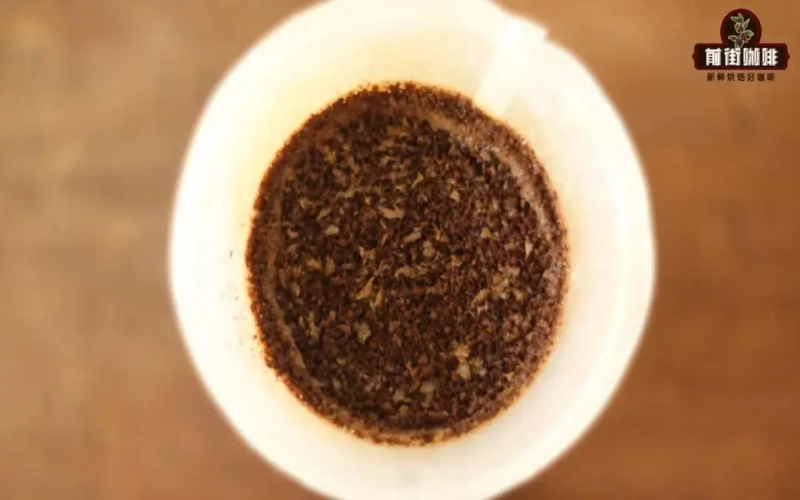
A flat coffee bed in pour-over brewing doesn't mean bad taste—revealing the causes of deep craters and three key points for brewing an even deep crater
Many friends who are just getting into pour-over coffee share a common misconception: they believe that the deeper and more even the coffee bed is, the better the coffee tastes. In reality, the shape of the coffee bed only reflects the pouring method and has no direct connection to coffee flavor. This article starts from a customer inquiry at Front Street's shop to explain why the coffee bed in specialty coffee is sometimes flat, and which factors truly determine coffee taste. It also shares three practical points: appropriately increasing the water flow, concentrating the hot water in the center, and choosing coffee beans that are not too high in density, helping you easily produce a symmetrical, deep coffee bed at home. The article also uses Front Street Yirgacheffe Gudingding, PWN Golden Mandheling, and others as examples to illustrate the differences in how various beans perform. [more…]
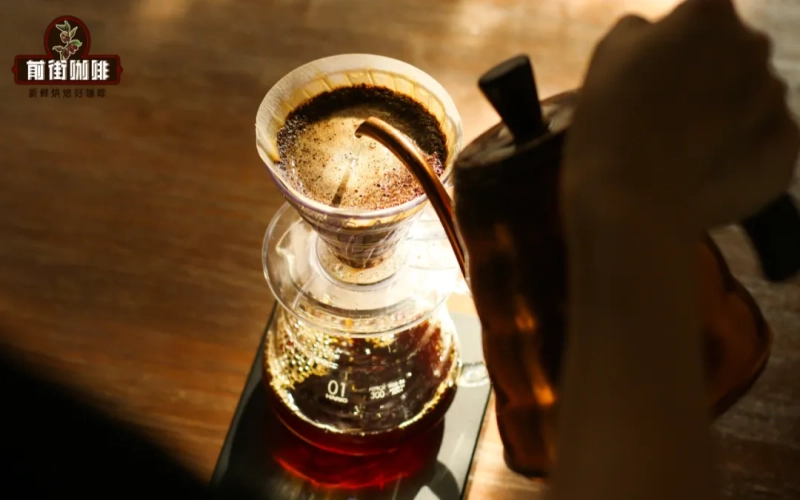
Pour-over coffee bed shape and brewing assessment: What do the bloom dome, bed height, foam color, and drawdown speed reveal?
When brewing pour-over coffee, the filter cup actually holds quite a few clues. The size of the dome that the coffee bed puffs up into during the blooming stage, and how well it retains water, can reflect the freshness of the coffee beans and the depth of the roast; whether the coffee bed can be lifted indicates the density of the coffee grounds; the color change of the foam on the surface can help us track the pouring path; and the speed of the drawdown is related to the coarseness of the grind, the density of the coffee bed, and fine particle clogging. As for the deep coffee bed pit that many beginners obsess over, it does not directly equate to a better-tasting cup; it is more just a reflection of the pouring method. In this article, Front Street will break down these readable pieces of information one by one during the brewing process, to help you have a few more bases for judgment when adjusting parameters. [more…]
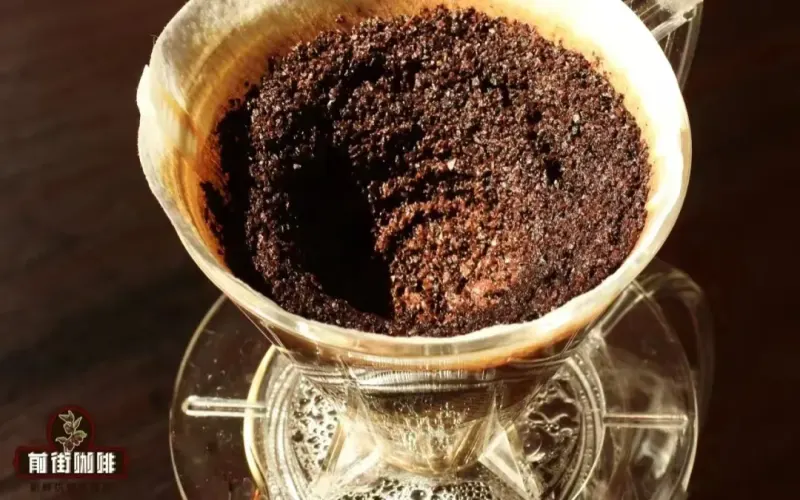
Analyzing the Relationship Between Pourover Coffee Bed Depth and Flavor: Conditions for Forming a Perfect Coffee Bed Beyond Even Pouring
Many pour-over enthusiasts habitually judge coffee quality by the shape of the coffee bed left in the dripper, believing that the deeper the bed, the better the taste. Is this belief correct? What can a deep bed actually tell us? In reality, the state of the coffee bed only reflects the uniformity of pouring and does not directly determine flavor. To produce an ideal coffee bed, uniform pouring alone is not enough—other conditions must also be met. This article will take a deep dive into the true relationship between the coffee bed and coffee taste, and share the complete set of factors that go into forming a perfect coffee bed. [more…]
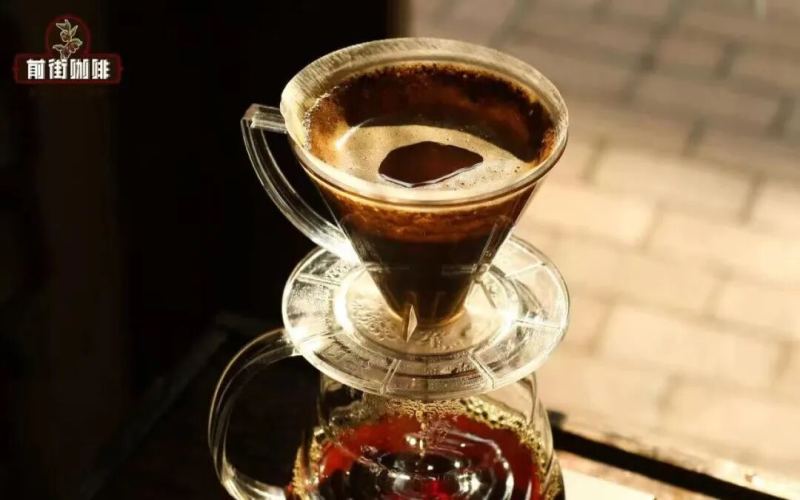
Coffee Brewing | What information is hidden in the coffee bed when making pour-over coffee? How can you judge the condition of single-origin pour-over beans from the coffee bed?
Yesterday a friend chatted with Front Street about a rather interesting phenomenon: he noticed that most people, when brewing coffee, even during the waiting intervals when they're not pouring water, still choose to fix their eyes intently on the changes in the dripper, as if trying to glean some information from the coffee bed. And you know what, there really is some truth [more…]
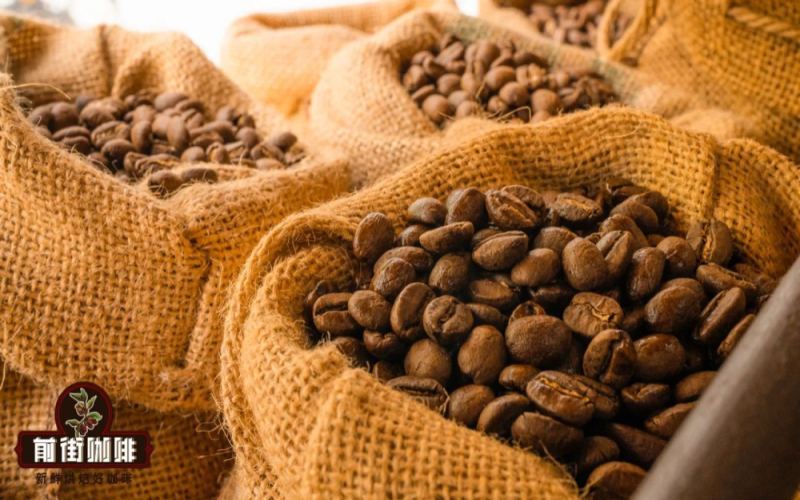
Pour Over for Dark Roasts: How to Avoid Bitter, Burnt, Undrinkable Coffee — Brewing Tips for Medium-Dark Mandheling, Blue Mountain, and Brazilian Beans
Deeply roasted coffee beans are characterized by a dark chocolate-like bitterness, while also delivering a rich mouthfeel and traditional caramel aroma. However, these beans also tend to release an unpleasant bitterness during brewing. This article approaches the issue from three angles—water temperature adjustment, coffee bed state, and coffee-to-water ratio—and, by combining the flavor characteristics of three representative beans—Front Street Coffee PWN Golden Mandheling, Front Street Coffee Jamaican Blue Mountain, and Front Street Coffee Brazil Queen Estate—analyzes how to avoid negative flavors such as burnt bitterness and woody notes, while preserving caramel sweetness and a clean finish, helping enthusiasts brew the rich body and sweetness that deeply roasted beans should have. [more…]
How to Raise Coffee Seedlings and Establish a Plantation? A Systematic Cultivation Guide from Propagation and Planting to Pruning and Fertilization
The flavor foundation of a good cup of coffee is laid the moment the seed touches the soil. This article systematically outlines the complete technical chain of coffee from seedling propagation to plantation management: seed collection and washing in seed propagation, nursery establishment, germination acceleration and transplanting, and seedling-stage care; the key operational points of cutting and grafting in asexual propagation; and then extends to coffee plantation site selection and planning, land clearing and field planting, shade tree configuration, single-stem and multi-stem training and pruning techniques, as well as soil management measures such as weeding and mulching, deep plowing and soil improvement, and irrigation and fertilization. For enthusiasts who wish to gain a deeper understanding of the logic of coffee cultivation and build a systematic awareness from origin to cup, this is a solid technical reference. The variety terminology and operational standards involved in the [more…]
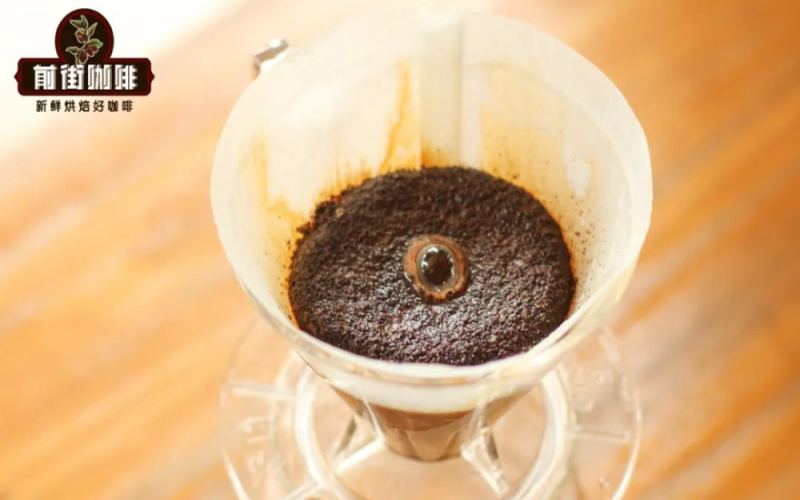
The Relationship Between Blooming Bubbles and Channeling in Pour-Over Coffee: Causes of Uneven Extraction and Practical Ways to Improve It
Blooming is a key step in pour-over coffee that allows the coffee grounds to degas and expand, but sometimes we see bubbles continuously rising from the surface of the coffee bed, or even deep craters left behind. This phenomenon is often related to clumping of fines and uneven pouring, and may trigger channeling, leading to uneven extraction. This article will analyze in detail the causes of bubbling during blooming, the specific impact of channeling on extraction, and the differences between pour-over and espresso in this regard. At the same time, we will also share two practical tips—spraying water before grinding to remove static, and using a distribution needle to break up the coffee bed before brewing—to help everyone reduce the occurrence of channeling and improve brewing consistency. If you also pursue more even extraction, read on. [more…]

Dark Roast Coffee Pour-Over Tutorial | Why Are Japanese Dark Roast Coffee Beans Bitter? How to Brew Out the Sweetness of Deep-Roasted PWN Golden Mandheling?
If you were born before the millennium, your first impression of black coffee was probably a uniform bitterness—the only non-bitter coffee being Nescafé 2-in-1. This uniformly bitter coffee was actually caused by the dark-roasted coffee beans popular in the last century. Unlike today's favored light [more…]
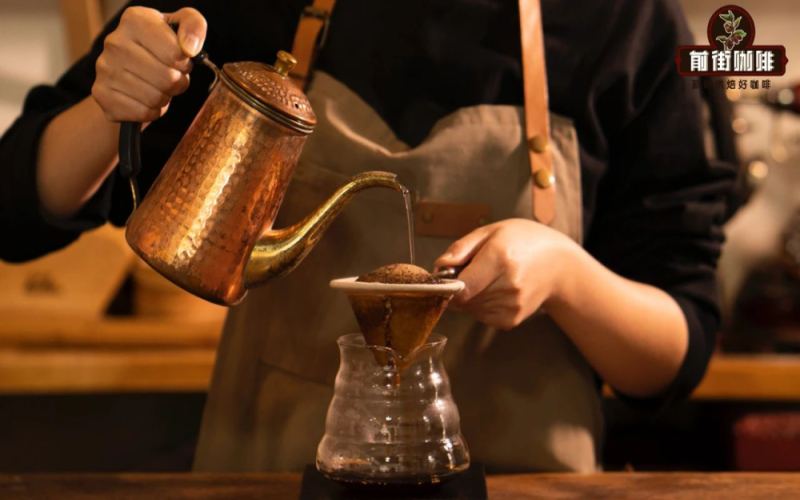
Complete Guide to Volcano Brewing: Japanese-Style Pour-Over Parameters and Sweetness Enhancement Secrets for Dark Roast Coffee Beans
Volcano pour is a highly visually striking classic technique in Japanese-style hand brewing. The coffee bed rises and falls like a volcanic eruption during pouring, and the deep-roasted coffee brewed this way has an especially abundant sweetness. Starting from the underlying logic, this article analyzes why the volcano pour can form a unique coffee-bed spectacle and why it produces such high sweetness, and provides complete brewing parameters and operating steps. It also explains the suitable bean type: deep-roasted beans with a high expansion rate and sufficient carbon dioxide, such as Front Street Sumatra·Golden Mandheling (deep roast). Finally, it includes a staged pouring scheme with a 1:12 coffee-to-water ratio, 88°C water temperature, and a Kalita trapezoidal dripper, along with dilution suggestions, to help coffee lovers recreate at home a smooth cup combining pine and spice notes, caramel sweetness, and dark chocolate aroma. [more…]
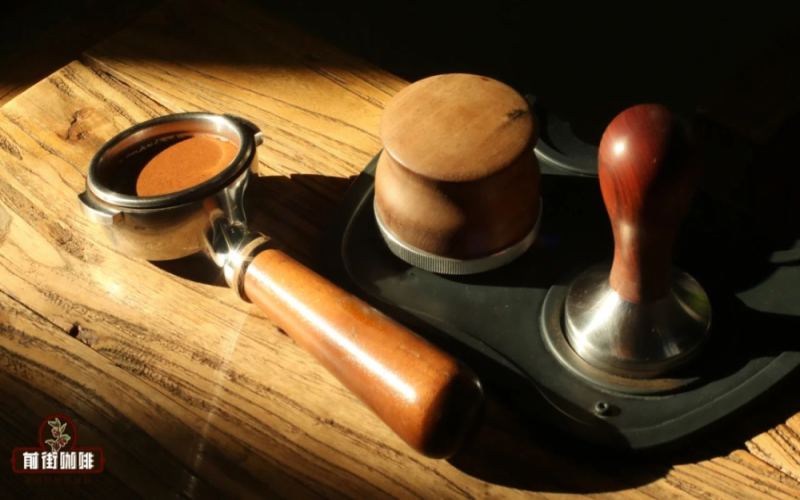
An Analysis of the Differences Between Espresso Distribution Tools and Tampers: The Correct Operating Method from Distribution to Tamping
When making espresso, a leveler and a tamper are two indispensable tools. Many people wonder: after leveling, the surface of the coffee bed is already flat, so why do we still need to tamp? In fact, leveling and tamping each serve a different purpose. Leveling aims to distribute the coffee grounds evenly and reduce channeling; tamping compacts the loose coffee bed to withstand the impact of high-pressure water flow. This article will take a deep dive into the differences and connections between the two, explain the correct technique for using a tamper in detail, and answer common questions such as whether you can tamp a second time when the tamp is uneven, helping you pull an evenly extracted espresso at home. [more…]

Sumatra Golden Mandheling: An Analysis of Deep Roast, Full-Bodied Flavor, and Wet-Hulling Process
Asian coffee is known for its rich, steady character, and Sumatra's Golden Mandheling is a prime example. Starting from the terroir of its origin, this article takes a deep dive into the unique conditions of the two major producing regions, Lintong and Aceh, revealing how PWN's rigorous screening standards and wet-hulled processing method shape a clean, luminous, full-bodied flavor. At the same time, Front Street Coffee shares pour-over parameters and brewing approaches for a medium-dark roast, helping enthusiasts recreate at home the layered notes of nuts, caramel, and spice. Whether you are an explorer of espresso blends or a devoted single-origin pour-over fan, this article will give you a comprehensive understanding of this deeply roasted, profoundly deep Mandheling. [more…]
From coffee origin legends to the full growing and processing journey: a detailed guide to variety classification, brewing recipes, and health benefits
Coffee, derived from the Greek word "Kaweh," means "strength and passion." This article systematically traces the journey of coffee from the shepherd's legend to its global spread, explains in detail the characteristics and origins of the three major species—Arabica, Robusta, and Liberica—surveys classic single-origin coffees such as Blue Mountain, Colombia, and Mocha along with more than thirty flavored coffee recipes, introduces the varietal composition of Yunnan coffee, and provides an in-depth explanation of the entire process of coffee cultivation, primary processing, and roasting techniques, as well as the many health benefits and drinking contraindications of coffee. Whether you are a beginner just starting out or a seasoned enthusiast, you can gain practical knowledge and tasting inspiration from it. [more…]
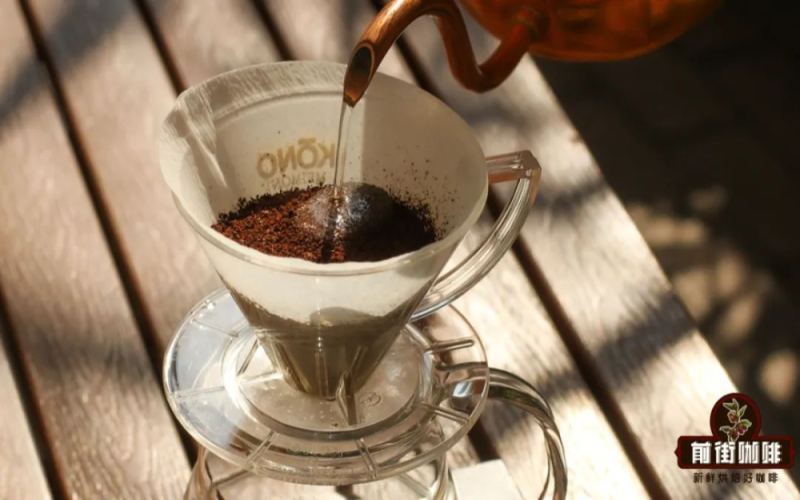
Why Is 30 Seconds the Benchmark for Hand-Pour Blooming? A Detailed Explanation of the Degassing Principle, Timing Judgment, and Whether It Counts Toward the Extraction Phase
Before formally pouring water for pour-over coffee, a small amount of hot water is usually used to wet the coffee grounds and let them sit for a moment. This step is called blooming. Many enthusiasts are familiar with the formula of "twice the water amount, wait 30 seconds," but they do not know where this number comes from, nor are they sure whether blooming counts as a stage of extraction. This article starts with the gases inside coffee beans after roasting, explains why blooming is necessary, how the two parameters of water amount and duration are determined, and what flavor problems insufficient blooming and excessive blooming each bring, helping readers understand that 30 seconds is only a conservative starting point for beginners, and that once skilled, one can judge flexibly based on the state of the coffee bed. [more…]
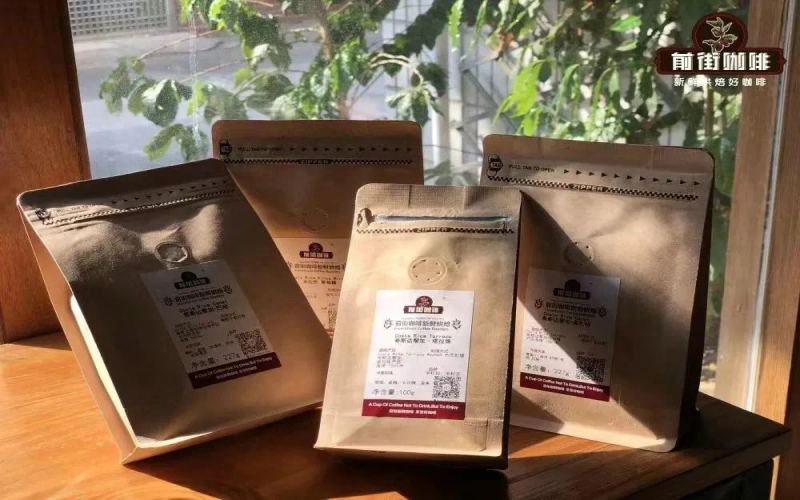
The Flavor Standards and Correct Brewing Methods for Mandheling Coffee: A Complete Analysis from Roasting and Grades to Pour-Over Parameters
What kind of mouthfeel should Mandheling coffee present? Rich nutty, dark chocolate, and caramel-cream-like full body are the classic flavors it should have. This article begins with the reason why Front Street Mandheling is medium-dark roasted, analyzes how the Sumatra wet-hulled process shapes its unique herbal and woody aroma, and why the resulting high defect rate requires deep roasting to mask. It also explains in detail the PWN brand certification and G1 grade classification standards of Golden Mandheling, and addresses a common question among pour-over enthusiasts—why does it come out only bitter and burnt—by giving professional parameter suggestions from Front Street Coffee baristas, including KONO dripper selection, grind size adjustment, 87–88°C water temperature control, and a three-pour technique, to help you brew a cup of full-bodied Mandheling with both caramel sweetness and chocolate-nutty flavors. [more…]
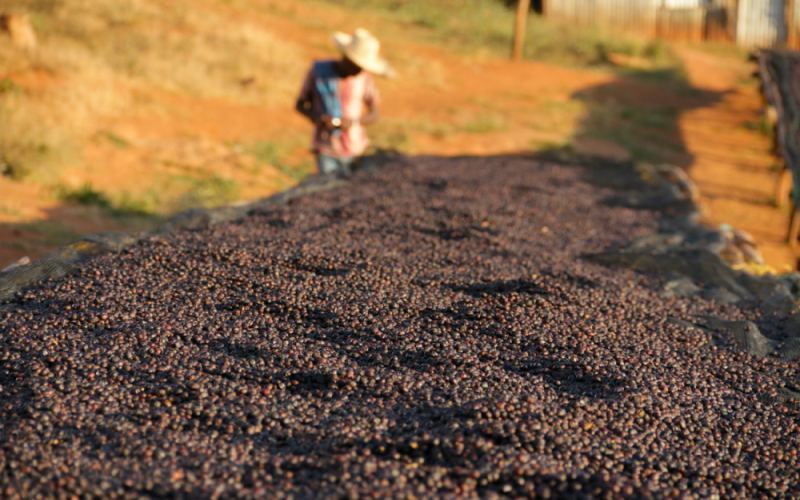
Deep Dive into Ethiopia's Guji Region: A Full Analysis of Coffee Pour-Over Flavors and the Region
As the birthplace of coffee, Ethiopia has always been a dream destination for specialty coffee lovers. This article begins with the country's geography and coffee-growing conditions, systematically outlining the terroir characteristics of major producing regions such as Sidamo, Yirgacheffe, Guji, and Bebeka, with a particular focus on the distinctive flavors that the Guji region nurtures thanks to its unique microclimate and volcanic soil. It also shares Front Street Coffee's pour-over parameters and flavor profile for a washed Yirgacheffe, offering beginners a clear path to tasting. [more…]
The Classic Japanese Hand-Drip Volcano Method: The Principles Behind High Sweetness in Dark Roast Coffee and Complete Step-by-Step Instructions
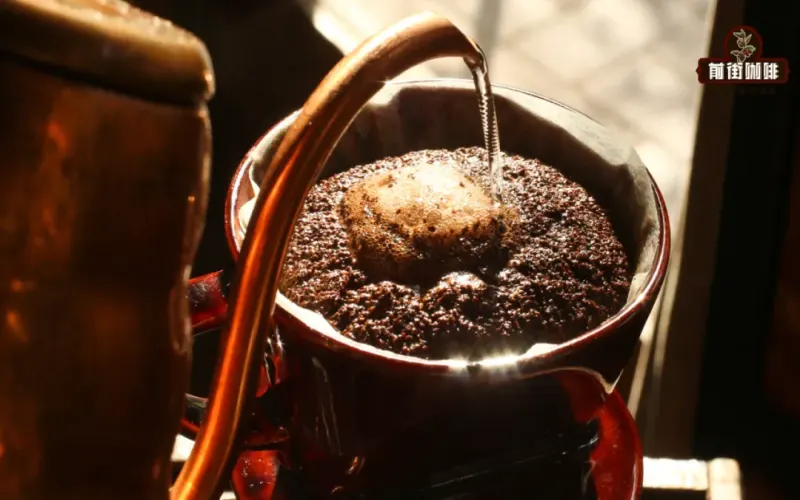
The volcanic pour is a highly distinctive brewing method within the Japanese hand-brewing system, named for the way the coffee bed rises and bubbles like a volcanic eruption during extraction. It is designed specifically for dark-roasted coffee, relying on a small stream of water, multiple intermittent pours of small volumes, and a high-concentration, low-extraction approach to ultimately present a cup of coffee with pronounced sweetness and a rich, smooth body. Starting from Front Street's experience shared on multiple occasions, this article provides an in-depth analysis of the underlying logic of the volcanic pour: why it can create a volcanic eruption-like spectacle, why only dark-roasted beans are up to the task, and how high concentration with low extraction avoids bitterness and improves extraction efficiency. The article also provides complete brewing parameters and a practical demonstration using Front Street's Golden Mandheling, guiding you step by step through this brewing experience that is both visual and gustatory.【图片1】【图片2】【图片3】【图片4】【图片5】【图片6】【图片7】【图片8】【图片9】【图片10】【图片11】 [more…]